I love a street cart kabab. The stick makes it seem portable, and I always end up covered in shit. I will eat them forever.
There are two types of New Yorkers who don’t take the subway. Working folks who live in a transit desert, or silver spoon scum fucks hellbent on casually destroying your life.
Project Hail Mary, 2026 - ★★★★½
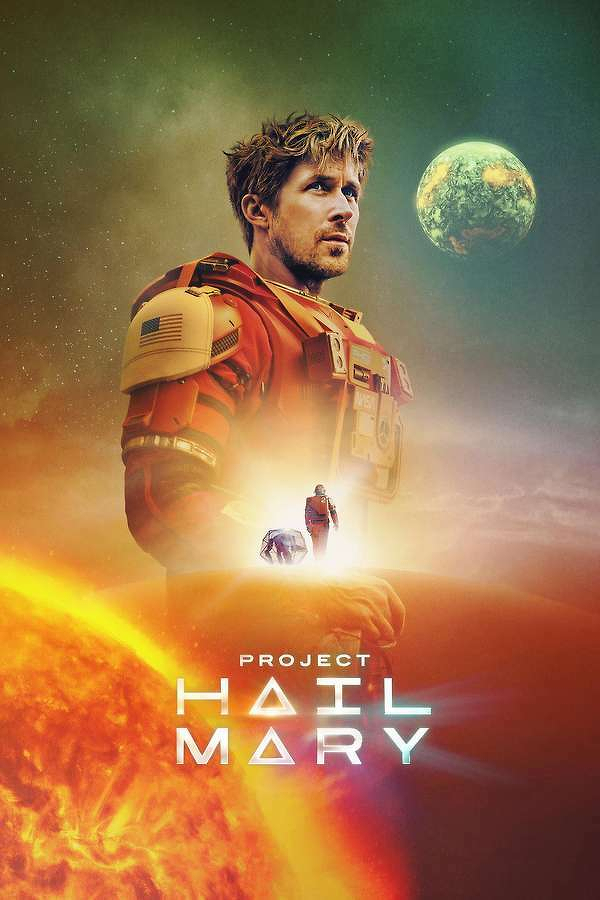
Yep, it’s real good.
Finished reading: Frankenstein by Mary Shelley 📚
Spoiler alert for a 200 year old story you’ve heard a bunch of times already.
This is my first time reading this, after years of meaning to. I’m glad I finally did. I can tell why this story continues to be such a fascination; the core of that narrative is so compelling. The unintended consequences of unbridled ambition, the horror and devastation this creation brings, your sympathy for the monster—it’s all here.
That being said, from a modern lens, it does suffer from the ignominies of it’s time. The prose is ponderously florid in that Victorian manor, and there’s a brutalism to the text’s casual casting of morality with class. However, the differences with Frankenstein’s depiction in movies is what interested me most. There is no bubbling lab equipment, crazed mob or fear of fire, no real descriptions of the monster at all, save in the vaguest sense. All that was wonderfully invented for the screen by James Whale. What we do get is more interior, and less arresting.
The story is told in letters, and doubly so. We hear the tale from an arctic explorer writing his sister, who comes across doctor Frankenstein, who then tells him the story, which the explorer relates back to his sister. Since the story is just concerned with the explorer for the first couple chapters, I had to check that I downloaded the right book.
Frankenstein himself is more of a emotional dishrag then a crazed scientist. We’re told he’s brilliant and sensitive, and that is well enough conveyed in the text. He spends maybe a third of the book collapsed with sickness at having created the monster, or thinking about what the monster might do, or feeling bad about what the monster did do. The monster is largely a shadow, only appearing a couple times to plead with Frankenstein to give him a Bride, or to murder his loved ones in vengeance, although the later always happens “off screen.”
The Bride request was a big difference. The monster is shunned by society, and by doctor Frankenstein, who immediately jumps in bed with terror for a few months after creating him. The monster tells Frankenstein he is miserable, and alternatingly begs and threatens the doctor to make him another like him that they may at least have companionship in their exile from humanity. Frankenstein agrees, given the threats to his loved ones, but then goes back on his word and does not complete the Bride. In revenge, the monster kills everyone Frankenstein loves, including his wife-to-be. If I can’t be happy, neither can you.
It’s fascinating, because Frankenstein promises to make the Bride, before feeling like it would be a curse on humanity to create her, a notion he stands by to his death. From my modern vantage point, this feels absurd. You already made one, he only fucks with you, and you agreed to do the second, so just make her! I was surprised by the direction, and while I bet the intent of the text is to sympathize with the non-creation, I found it more compelling as a indictment of Frankenstein’s selfishness, and that his act came back to haunt him a thousand fold.
All in all, I really enjoyed the book, but I’ll take a break from Victorian literature for a bit.
I read the Standard Ebook edition. If you end up reading any of their terrific copies, consider donating to their cause.